
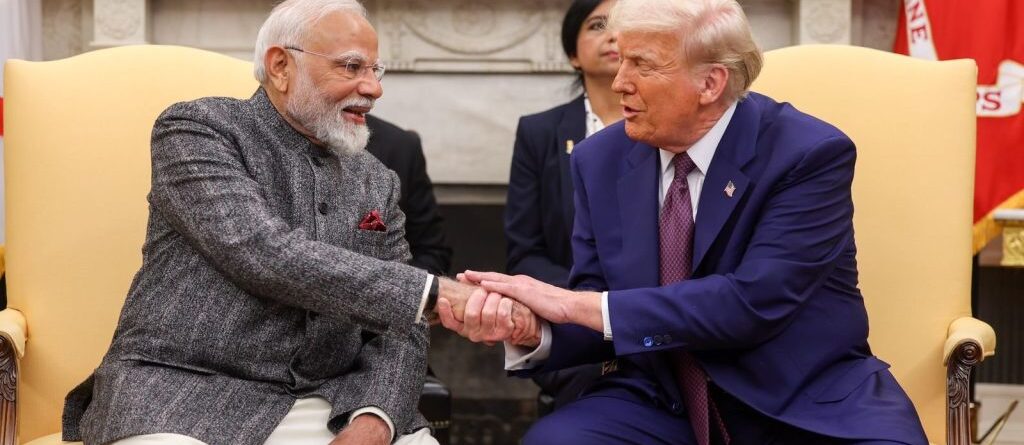
Trump’s Surprise Announcement: How the US Blinked and Finally Said Yes
Donald Trump has always been known for doing the unexpected, but his recent surprise announcement has once again sent shockwaves through global politics. At a moment when many believed the United States would hold its hardline position, the announcement signaled something different — a rare moment where the US appeared to blink and ultimately say “yes.”
For years, Trump’s political identity has been built around the idea of strength, dominance, and uncompromising negotiation. Whether it was trade wars, immigration policies, or foreign alliances, the message was clear: America would dictate the terms. That is precisely why this announcement caught even his strongest supporters off guard. Instead of confrontation, it hinted at concession. Instead of resistance, it suggested acceptance.
So what exactly changed?
The answer lies in pressure — political, economic, and strategic. Internally, the US has been grappling with rising inflation, global supply chain disruptions, and voter fatigue caused by prolonged uncertainty. Externally, allies and rivals alike have been recalibrating their positions, reducing America’s leverage in negotiations where it once held absolute control. In such a climate, standing rigid can be more damaging than adapting.
Trump’s announcement reflects a deeper truth about modern geopolitics: power today is not just about saying “no,” but knowing when saying “yes” serves long-term interests. While the move may look like a retreat on the surface, it can also be interpreted as tactical realism. By agreeing — even partially — the US retains influence at the table rather than isolating itself further.
Critics argue that this moment exposes inconsistency in Trump’s leadership style. How can a leader who built his brand on never backing down now justify this reversal? Supporters, on the other hand, see it as smart deal-making — a pause, not a surrender. Trump himself framed the decision as a “win,” reinforcing his long-standing habit of controlling the narrative, regardless of the facts on the ground.
Globally, the reaction has been mixed. Some countries view the announcement as a positive step toward stability, while others see it as evidence that sustained pressure works against even the most aggressive superpowers. For emerging economies, this moment serves as a lesson: persistence and unity can force even the strongest nations to rethink their stance.
Ultimately, Trump’s surprise announcement is less about a single decision and more about what it symbolizes. It marks a shift in how the US responds to a changing world order — one where unilateral decisions are harder to enforce, and compromise is no longer a sign of weakness but necessity.
Whether this “yes” leads to long-term benefits or short-term relief remains to be seen. But one thing is certain: when the US blinks, the world notices.

Leave a Reply